
How to Install Vinyl Siding | Step-by-Step DIY Guide (2026)
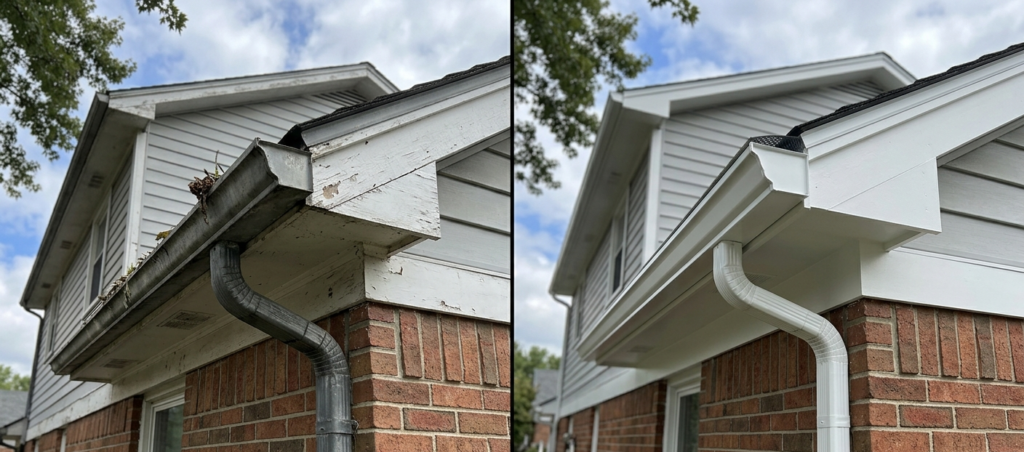
Gutters play a critical role in protecting your home from water damage. They direct rainwater away from the roof, siding, foundation, and landscaping. However, aging gutters can develop leaks, sagging sections, poor drainage, and structural damage. Consequently, remodeling your gutter system can improve both functionality and curb appeal while helping prevent costly repairs.
Whether you plan to upgrade outdated gutters or redesign your entire drainage system, this guide explains how to remodel gutters effectively and achieve long-lasting results.
Why Gutter Remodeling Matters More Than You Think
Many homeowners wait until serious problems appear before addressing their gutters. However, proactive remodeling offers several benefits.
Improve Water Management
Modern gutter systems handle water more efficiently and reduce the risk of overflow.
Protect the Foundation
Additionally, properly functioning gutters direct water away from the foundation and help prevent erosion.
Enhance Curb Appeal
New gutters can complement your home’s exterior and improve overall appearance.
Reduce Maintenance
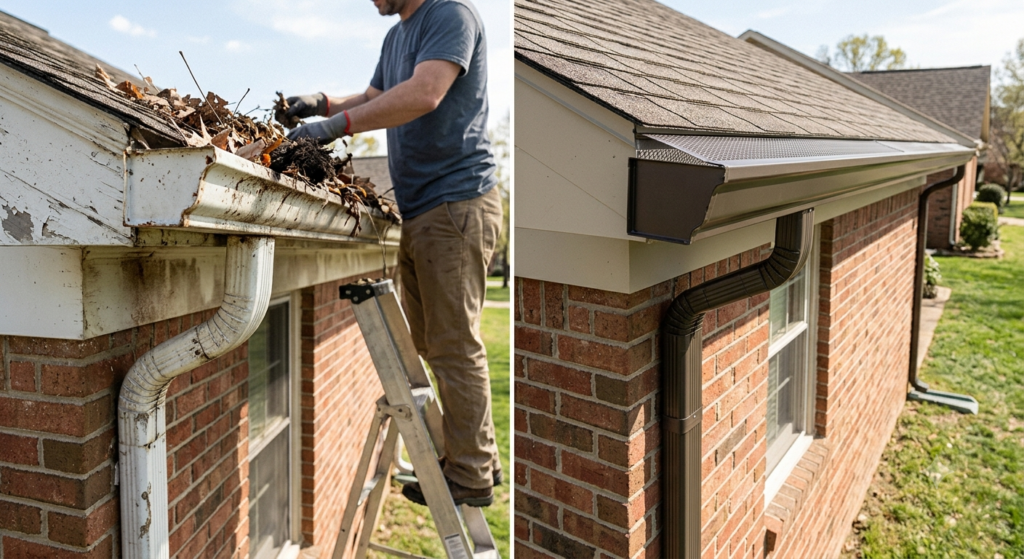
Furthermore, upgraded gutters often include features such as gutter guards that minimize debris buildup.
How to Know When Your Gutters Need Remodeling
Before starting the project, inspect your existing system carefully.
Common warning signs include:
- Frequent leaks
- Sagging sections
- Rust or corrosion
- Water pooling near the foundation
- Peeling exterior paint
- Overflow during rainstorms
- Cracked gutter channels
- Loose fasteners
If several of these issues exist, remodeling may provide a better solution than repeated repairs.
Plan Your Gutter Remodeling Project
Proper planning ensures a successful outcome.
Start by evaluating:
- Roof size
- Rainfall levels in your area
- Existing drainage problems
- Desired gutter style
- Budget requirements
Additionally, determine whether you want a complete replacement or targeted upgrades.
Careful planning helps avoid costly mistakes later.
Choose the Right Gutter Material
Material selection significantly affects durability, appearance, and maintenance requirements.
Aluminum Gutters
Aluminum remains one of the most popular choices because it is lightweight, rust-resistant, and affordable.
Steel Gutters
Steel provides exceptional strength. However, it may require additional maintenance to prevent rust.
Copper Gutters
Copper offers a premium appearance and outstanding longevity. Moreover, it develops a distinctive patina over time.
Vinyl Gutters
Vinyl gutters are affordable and easy to install. Nevertheless, extreme weather conditions can shorten their lifespan.
Gutter Styles Compared: K-Style vs. Half-Round vs. Box
Modern gutter systems come in several styles.
K-Style Gutters
K-style gutters offer excellent water capacity and a decorative appearance. Therefore, many homeowners prefer them.
Half-Round Gutters
Half-round gutters provide a traditional look and work particularly well on historic homes.
Box Gutters
Box gutters handle large water volumes and are often used on commercial properties.
Choosing the right style helps balance aesthetics and performance.
Step 1: Inspect and Remove Old Gutters
First, inspect the existing system thoroughly.
Check for:
- Damaged sections
- Improper slopes
- Weak fasteners
- Rotting fascia boards
Next, remove old gutters carefully.
Additionally, dispose of damaged materials properly to maintain a safe work area.
Step 2: Repair Fascia and Roof Edge Components
Before installing new gutters, inspect the fascia boards behind the existing system.
Replace any:
- Rotted wood
- Water-damaged sections
- Loose trim boards
As a result, the new gutters will attach securely and perform better over time.
Step 3: Measure and Design the New System
Accurate measurements are essential.
Measure:
- Roof edges
- Downspout locations
- Corner sections
- Drainage routes
Furthermore, calculate the proper gutter slope.
Most systems require a slight downward pitch toward the downspouts to ensure efficient drainage.
Step 4: Install New Gutter Hangers
Modern gutter systems rely on sturdy hangers rather than outdated spikes.
Install hangers at recommended intervals to:
- Increase stability
- Prevent sagging
- Improve durability
Additionally, secure them directly to strong structural components whenever possible.
Step 5: Install New Gutters
Attach gutter sections according to the manufacturer’s instructions.
While installing:
- Maintain proper slope
- Secure joints carefully
- Use quality sealants
- Check alignment frequently
Consequently, the system will move water efficiently and minimize future leaks.
Step 6: Upgrade Downspouts
Downspouts play an equally important role in gutter performance.
When remodeling, consider:
- Larger downspouts
- Additional downspouts
- Decorative downspout styles
- Underground drainage systems
Moreover, direct water several feet away from the foundation to reduce erosion and moisture issues.
Step 7: Add Gutter Guards
Gutter guards offer a valuable upgrade during remodeling.
Benefits include:
- Reduced maintenance
- Fewer clogs
- Improved water flow
- Longer gutter lifespan
Although gutter guards require an upfront investment, they often save time and maintenance costs in the long run.
Step 8: Test the System
After installation, test the remodeled gutter system thoroughly.
Use a garden hose to check:
- Water flow
- Downspout performance
- Joint integrity
- Proper drainage
Additionally, inspect all connections for leaks and adjust any sections that do not drain correctly.
Common Gutter Remodeling Mistakes That Cost You Later
Many gutter problems result from installation errors.
Avoid these common mistakes:
- Incorrect slope calculations
- Undersized gutters
- Too few downspouts
- Weak fastener placement
- Ignoring fascia damage
- Poor drainage planning
Therefore, careful installation significantly improves system performance.
- Skipping gutter guards. Leaving gutters unprotected leads to faster clogging from leaves and debris, increasing maintenance frequency and the risk of overflow damage.
- Mismatched material choices. Pairing incompatible metals (like aluminum gutters with steel fasteners) can cause galvanic corrosion, shortening the system’s lifespan.
- Improper joint sealing. Gaps or poorly sealed seams at corners and joints are a leading cause of leaks, especially during heavy rainfall.
- Overlooking gutter size for roof area. Installing standard-size gutters on a large or steep roof often can’t handle the water volume, leading to overflow during storms.
- Neglecting downspout extensions. Water discharged too close to the foundation can cause basement leaks or soil erosion, even if the gutters themselves work perfectly.
Gutter Maintenance Tips to Extend Their Lifespan
Once your gutter remodel is complete, regular maintenance helps preserve the investment.
Recommended practices include:
- Inspect gutters twice annually
- Remove debris promptly
- Check fasteners regularly
- Monitor downspout drainage
- Clean gutter guards when necessary
Furthermore, inspect the gutter system after major storms to identify potential issues early.
Modern Gutter Systems | What You Gain
A remodeled gutter system provides long-term advantages.
These benefits include:
- Better water control
- Enhanced exterior appearance
- Reduced foundation damage risk
- Lower maintenance requirements
- Improved home value
Consequently, gutter remodeling often delivers an excellent return on investment.
Conclusion
Learning how to remodel gutters can help protect your home from water damage while improving its appearance and functionality. By selecting quality materials, repairing supporting structures, installing proper drainage components, and incorporating modern upgrades such as gutter guards, you can create a durable and efficient system. Moreover, regular maintenance ensures your remodeled gutters continue to perform effectively for many years.
Lorem ipsum dolor sit amet, consectetur adipiscing elit. Ut elit tellus, luctus nec ullamcorper mattis, pulvinar dapibus leo.
Frequently Asked Questions (FAQs)
How do I know if my gutters need remodeling?
Frequent leaks, sagging sections, rust, poor drainage, and repeated repair needs often indicate that remodeling is the best option.
What is the best material for gutters?
Aluminum remains one of the most popular choices because it offers durability, affordability, and resistance to rust.
Can I remodel gutters myself?
Many homeowners can handle basic gutter replacement projects. However, complex installations or multi-story homes may require professional assistance.
How often should gutters be replaced?
High-quality gutter systems can last 20 to 50 years, depending on the material, climate, and maintenance.
Are gutter guards worth installing?
Yes. Gutter guards reduce debris buildup, minimize maintenance, and help maintain consistent water flow.
How many downspouts should a gutter system have?
The number depends on roof size, gutter length, and local rainfall levels. Proper design ensures efficient drainage.
Will new gutters increase home value?
A well-designed gutter system improves curb appeal, protects structural components, and may contribute positively to overall property value.