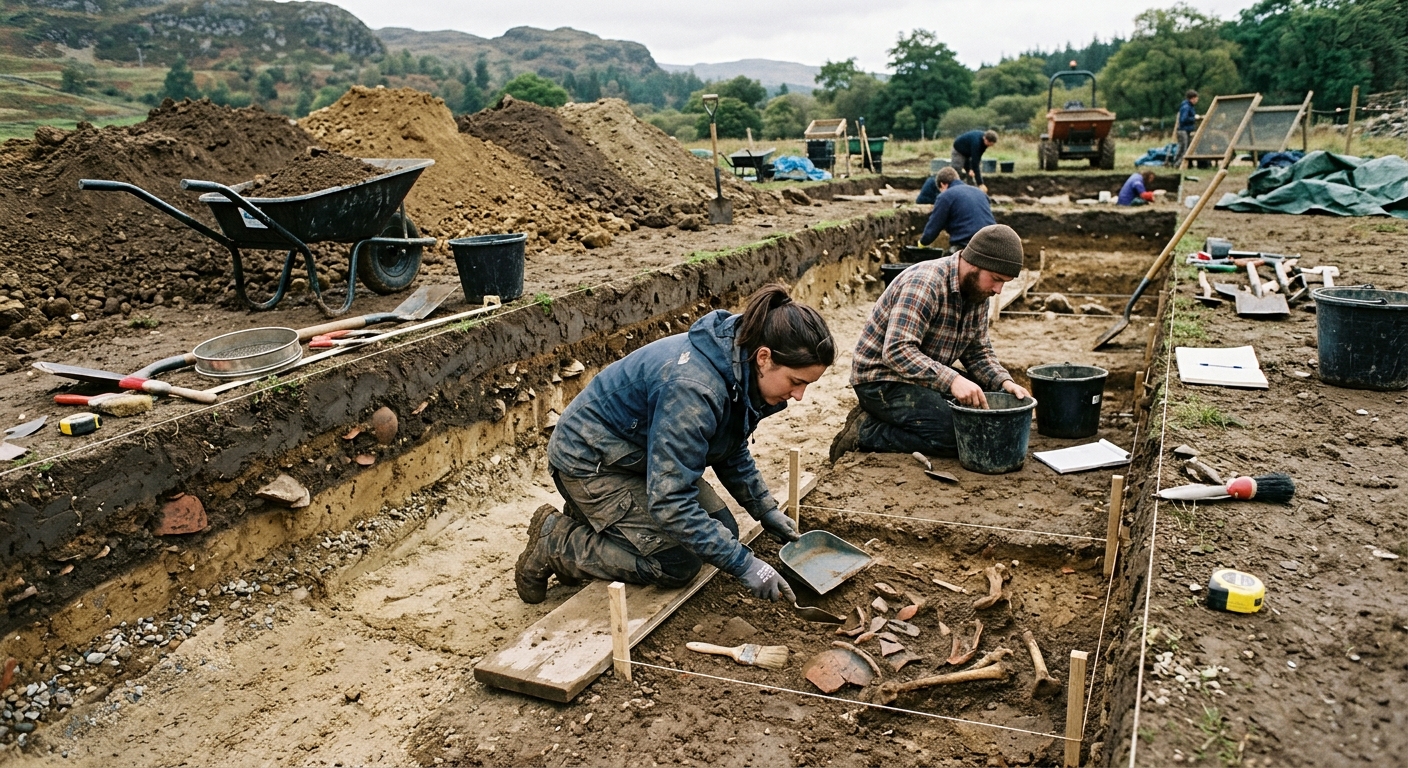
What Is Excavation? A Complete Guide to Types, Process, Cost, and Benefits
Excavation forms the foundation of nearly every construction project, and understanding it properly can save you time, money, and stress. Whether you’re planning a new home, a commercial building, or a simple landscaping project, excavation determines how smoothly the rest of your project unfolds. In this guide, we’ll break down everything you need to know: what excavation actually means, why it matters, how much it costs, and how to choose the right excavation contractor for your needs.
What Is Excavation?
Excavation refers to the process of moving earth, rock, or other materials from a site using tools, machinery, or explosives to create open holes, cavities, or trenches. Contractors use excavation to prepare land for foundations, roads, pools, utilities, and drainage systems. Essentially, excavation transforms raw, uneven land into a stable base that supports construction.
Unlike simple digging, excavation involves careful planning, precise measurements, and strict safety protocols. Consequently, professionals typically handle it rather than DIY enthusiasts, especially for larger commercial or residential projects. Additionally, excavation often requires permits, soil testing, and utility mapping before work begins, since underground pipes, cables, and other utilities pose serious hazards if disturbed carelessly.
Why Excavation Matters | The Core Need
Every successful construction project starts below the surface. Therefore, excavation plays a critical role in ensuring structural stability, proper drainage, and long-term durability. Without proper excavation, buildings risk uneven settling, water damage, and even structural failure over time.
Moreover, excavation helps identify potential soil issues early. For instance, contractors can spot unstable soil, high water tables, or rock formations before construction begins, thereby preventing costly surprises later. As a result, investing in professional excavation services upfront often saves significant money and time down the road.
Types of Excavation You Should Know
Excavation isn’t a one-size-fits-all process. Instead, it varies based on project requirements, soil conditions, and end goals. Here are the most common types:
1. Topsoil Excavation
This involves removing the uppermost soil layer, which typically contains organic material unsuitable for construction. Afterward, contractors use this topsoil for landscaping elsewhere.
2. Rock Excavation
When bedrock or large rock formations block a site, specialized equipment or blasting techniques become necessary. Since rock excavation demands heavy machinery, it generally costs more than standard earth removal.
3. Muck Excavation
This type addresses wet, unstable soil mixed with organic material. Because muck can’t support structures, contractors must remove and replace it with compacted, stable fill.
4. Trench Excavation
Primarily used for installing pipes, cables, and drainage systems, trench excavation requires narrow, precise digging. However, it carries higher risks of collapse, so safety measures matter enormously here.
5. Basement Excavation
As the name suggests, this type creates space for basements beneath residential or commercial structures. Naturally, it requires deeper digging and careful structural planning.
6. Cut and Fill Excavation
This method balances removing soil from higher areas (“cutting”) and depositing it into lower areas (“filling”). Ultimately, it creates a level surface for construction while minimizing material transport costs.
The Excavation Process | Step by Step
Understanding the excavation process helps you know what to expect during your project:
- Site Assessment – First, contractors evaluate the land, checking soil composition, drainage patterns, and existing structures.
- Utility Marking – Next, they identify and mark underground utilities to avoid damage.
- Permits and Planning – Meanwhile, necessary permits get secured based on local regulations.
- Clearing the Site – Afterward, crews remove vegetation, debris, and obstacles.
- Digging and Grading – Then, excavation machinery removes soil to the required depth and grades the land properly.
- Inspection – Finally, the excavated site undergoes inspection to confirm it meets structural and safety standards.
Throughout this process, clear communication between contractors and clients remains essential, since unexpected issues like buried utilities or poor soil conditions can arise at any stage.
Benefits of Professional Excavation Services
Hiring experienced excavation professionals offers numerous advantages beyond simply digging a hole:
- Structural Safety: Proper excavation ensures a stable foundation, reducing risks of future settling or collapse.
- Time Efficiency: Skilled contractors use advanced machinery, completing projects faster than manual methods.
- Cost Savings: Identifying soil problems early prevents expensive fixes later in the project.
- Improved Drainage: Correct grading during excavation directs water away from structures, preventing flooding and erosion.
- Regulatory Compliance: Professionals understand local codes and permit requirements, thereby avoiding legal complications.
- Enhanced Property Value: Well-executed excavation and grading improve both functionality and curb appeal.
Overall, these benefits make excavation a worthwhile investment rather than an optional expense, particularly for large-scale projects.
Excavation Cost | What Influences the Price?
Excavation costs vary widely depending on several factors. On average, excavation projects range from $50 to $200 per hour or $1.50 to $5 per cubic foot, though prices fluctuate based on location and complexity. Here’s what typically affects the final price:
- Soil Type: Rocky or clay-heavy soil costs more to excavate than loose, sandy soil.
- Site Accessibility: Difficult-to-reach locations increase labor and equipment transport costs.
- Excavation Depth and Size: Naturally, larger and deeper projects require more time, equipment, and labor.
- Permits and Inspections: Local regulations sometimes add administrative fees.
- Debris Removal: Additional charges often apply when clearing rocks, trees, or old structures.
- Equipment Type: Specialized machinery, like rock breakers or trenchers, adds to overall costs.
Since every project differs, obtaining multiple quotes from licensed excavation contractors remains the best way to get an accurate estimate. Furthermore, transparent contractors will break down costs clearly, helping you avoid hidden fees.
Tips for a Successful Excavation Project
Whether you’re a homeowner or a project manager, these tips can help ensure smooth, safe excavation:
- Hire Licensed Professionals: Always verify credentials, insurance, and experience before hiring a contractor.
- Get Soil Tested: Since soil conditions significantly impact excavation methods, testing beforehand prevents surprises.
- Confirm Utility Locations: Contact utility companies to mark underground lines before digging begins.
- Plan for Weather: Because rain and extreme temperatures affect soil stability, scheduling around weather patterns matters.
- Discuss Drainage Solutions: Proper grading during excavation prevents water pooling near foundations.
- Set a Realistic Budget: Include a buffer for unexpected issues like rock formations or contaminated soil.
- Communicate Clearly: Regular updates with your contractor help catch problems early and keep the project on schedule.
By following these tips, you’ll minimize delays, control costs, and achieve a stable, long-lasting result.
Why Choose Professional Excavation Contractors?
Not all excavation companies deliver the same quality. Reliable contractors combine modern equipment, certified expertise, and a strong safety record to deliver efficient, code-compliant results every time. Unlike inexperienced operators, established excavation teams understand soil behavior, drainage engineering, and local building codes thoroughly. Consequently, they reduce risks, avoid costly rework, and complete projects on schedule.
If you’re planning a construction project, don’t leave excavation to chance. Instead, partner with a trusted excavation team that prioritizes safety, precision, and transparent pricing. Contact a licensed excavation contractor today to get a free site assessment and accurate project quote.
Frequently Asked Questions (FAQs)
Q1: What is excavation in construction?
Excavation in construction refers to the process of removing soil, rock, or debris to prepare a site for building foundations, utilities, or landscaping features.
Q2: How long does excavation typically take?
Most residential excavation projects take between one and three days, though larger commercial projects may take several weeks depending on scope and soil conditions.
Q3: Do I need a permit for excavation?
Yes, in most areas, excavation requires permits, especially for projects involving deep digging, utility work, or structural foundations. Local regulations vary, so checking with your municipality remains essential.
Q4: What’s the difference between excavation and grading?
Excavation involves removing earth to create space, while grading levels the land afterward to ensure proper drainage and a stable surface for construction.
Q5: Can excavation damage nearby structures?
Yes, improper excavation can destabilize nearby foundations or utilities. Therefore, hiring experienced professionals who assess site conditions beforehand significantly reduces this risk.
Q6: How much does excavation cost on average?
Costs typically range from $1.50 to $5 per cubic foot, though final pricing depends on soil type, site accessibility, and project size.
Q7: What equipment is used for excavation?
Common equipment includes excavators, bulldozers, backhoes, trenchers, and skid steers, chosen based on project size and soil conditions.
Final Thoughts
Excavation lays the groundwork quite literally for every successful construction project. From assessing soil conditions to ensuring proper drainage, this process demands expertise, precision, and careful planning. By understanding the types, costs, and benefits of excavation, you’ll make informed decisions that protect your investment and ensure long-term structural stability. Ready to start your project? Reach out to a trusted excavation contractor today and turn your vision into a solid foundation.