
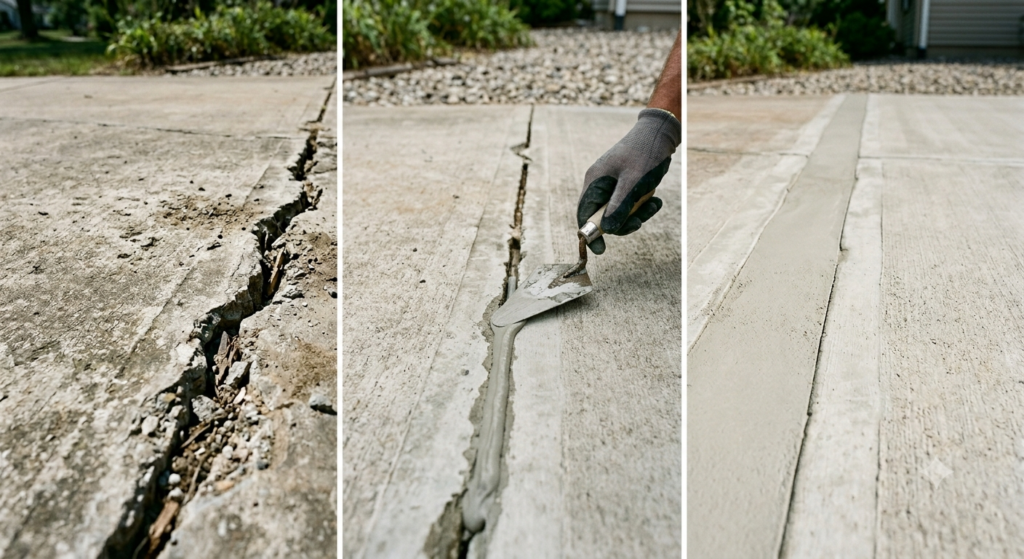
How to Repair Cracked Concrete | Pro Tips 2026
Concrete is one of the most durable building materials available. However, over time, cracks can develop due to weather changes, soil movement, heavy loads, or natural settling. While small cracks may seem harmless, they can quickly expand and lead to costly repairs. Therefore, learning how to fix cracks in concrete is essential for maintaining the strength, appearance, and longevity of your surfaces.
In this guide, you’ll discover the causes of concrete cracks, the tools you need, and the best repair methods for different types of damage.
Why Does Concrete Crack?
Before starting repairs, it’s important to understand why concrete cracks.
Common causes include:
- Freeze-thaw cycles
- Soil settlement
- Excess moisture
- Heavy vehicle traffic
- Poor installation practices
- Tree root growth
- Concrete shrinkage during curing
Although some hairline cracks are normal, larger cracks often indicate underlying problems that require immediate attention.
Types of Concrete Cracks
Different cracks require different repair methods.
Hairline Cracks
Hairline cracks are narrow surface fractures that usually result from concrete shrinkage. Fortunately, they are easy to repair and rarely affect structural integrity.
Narrow Cracks
These cracks measure less than 1/4 inch wide. They often appear in driveways, patios, and sidewalks due to temperature fluctuations and minor settlement.
Wide Cracks
Cracks wider than 1/4 inch typically indicate more significant movement or stress. Consequently, they require stronger repair materials.
Structural Cracks
Structural cracks often run deep through the concrete slab. If the crack continues to widen or causes uneven surfaces, professional evaluation may be necessary.
Tools and Materials Needed
Before beginning the repair process, gather the following items:
- Wire brush
- Chisel and hammer
- Shop vacuum
- Concrete crack filler
- Concrete patching compound
- Caulk gun
- Putty knife
- Safety gloves
- Safety glasses
- Pressure washer (optional)
Having the right tools ensures a stronger and longer-lasting repair.
How to Fix Hairline Concrete Cracks
Hairline cracks require a simple repair approach.
Step 1: Clean the Crack
First, remove dirt, dust, and loose debris using a wire brush. Next, vacuum the area thoroughly.
A clean surface helps the filler bond properly.
Step 2: Apply Concrete Crack Filler
Then, squeeze a liquid concrete crack filler directly into the crack.
Make sure the filler penetrates the entire length of the crack.
Step 3: Smooth the Surface
Afterward, use a putty knife to level the filler with the surrounding concrete.
Finally, allow the product to dry according to the manufacturer’s instructions.
How to Repair Wider Concrete Cracks
Larger cracks need additional preparation and reinforcement.
Step 1: Widen the Crack Slightly
Use a hammer and chisel to create a wider base beneath the crack opening. This process creates a better mechanical bond.
Step 2: Remove Loose Material
Next, clear all debris from the crack using a wire brush and vacuum.
Without proper cleaning, the repair material may fail prematurely.
Step 3: Apply Patching Compound
Fill the crack with a high-quality concrete patching compound.
Press the material firmly into the opening to eliminate air pockets.
Step 4: Smooth and Finish
Use a trowel to level the patch. Then, blend the repaired area with the surrounding surface for a uniform appearance.
Step 5: Allow Proper Curing
Most patching products require 24 to 48 hours of curing time. Therefore, avoid foot or vehicle traffic during this period.
How to Fix Cracks in Concrete Driveways
Driveways experience constant pressure from vehicles. As a result, repairs must withstand heavy loads.
For driveway cracks:
- Clean the damaged area thoroughly.
- Remove weeds and loose concrete.
- Apply a flexible polyurethane concrete sealant.
- Smooth the sealant evenly.
- Let it cure completely before driving on the surface.
Flexible sealants work well because they expand and contract with temperature changes.
How to Repair Cracks in Concrete Foundations
Foundation cracks require extra attention because they can affect a home’s stability.
For Small Foundation Cracks
- Clean the crack carefully.
- Inject epoxy or polyurethane foam.
- Seal the surface completely.
For Large Foundation Cracks
Contact a professional if you notice:
- Horizontal cracks
- Bowing walls
- Water intrusion
- Significant widening
Ignoring structural foundation issues can lead to expensive repairs later.
Preventing Future Concrete Cracks
Although no concrete surface remains completely crack-free forever, preventive maintenance reduces damage significantly.
Maintain Proper Drainage
Water is one of the biggest causes of concrete deterioration. Therefore, ensure gutters and downspouts direct water away from concrete surfaces.
Seal Concrete Regularly
Applying a quality concrete sealer every few years protects against moisture penetration and weather damage.
Avoid Excess Weight
Heavy equipment and overloaded vehicles can stress concrete surfaces. Consequently, limiting excessive loads helps prevent cracking.
Address Soil Issues
Stable soil supports concrete effectively. If erosion or settlement occurs, correct the issue before significant damage develops.
Common Mistakes to Avoid
Many homeowners make repair mistakes that shorten the lifespan of their fixes.
Avoid these common errors:
- Filling dirty cracks
- Using the wrong repair product
- Skipping curing time
- Ignoring underlying drainage problems
- Applying filler during extreme temperatures
Instead, follow manufacturer recommendations and prepare the surface properly for the best results.
Final Thoughts
Knowing how to fix cracks in concrete can save time, money, and future repair costs. Small cracks often require simple fillers, while wider cracks need patching compounds and more preparation. Additionally, regular maintenance and proper drainage help prevent new cracks from forming. By addressing damage early, homeowners can protect driveways, patios, sidewalks, and foundations for many years.
Frequently Asked Questions (FAQs)
1. What is the best material for filling concrete cracks?
For small cracks, liquid concrete crack fillers work well. For larger cracks, concrete patching compounds or polyurethane sealants provide stronger repairs.
2. Can I repair concrete cracks myself?
Yes. Most hairline and minor cracks are suitable for DIY repair using readily available products and basic tools.
3. How long do concrete crack repairs last?
Properly completed repairs can last several years. However, maintenance and environmental conditions affect longevity.
4. Should I worry about hairline cracks?
Most hairline cracks are cosmetic. Nevertheless, monitor them regularly to ensure they do not widen over time.
5. When should I call a professional?
Contact a professional if you notice structural cracks, uneven slabs, foundation movement, or recurring water leaks.
6. Can concrete cracks come back after repair?
Yes. If the underlying cause remains unresolved, new cracks may develop. Therefore, addressing drainage and soil issues is important.
7. Is sealing concrete necessary after repair?
Yes. Sealing helps protect the repaired area from moisture, chemicals, and weather-related damage.
8. How much does concrete crack repair cost?
DIY repairs typically cost between $20 and $100. Professional repairs can range from $250 to several thousand dollars depending on severity and location.