
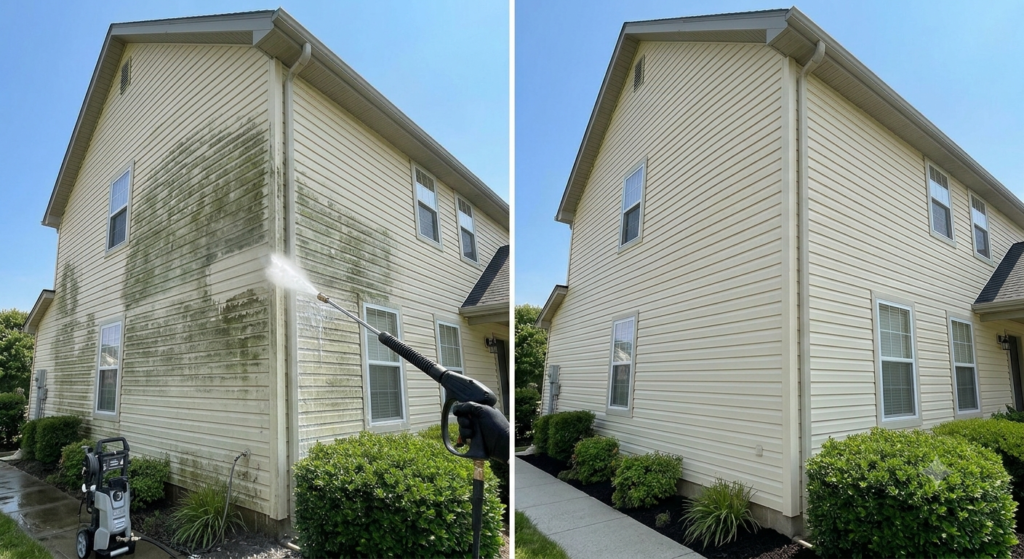
Best Methods for How to Clean Plastic Siding at Home
Plastic siding, including vinyl and PVC siding, remains a popular choice for homeowners because it offers durability, weather resistance, and low maintenance. However, over time, dirt, dust, mold, mildew, algae, pollen, and environmental pollutants can accumulate on the surface. Consequently, the siding may lose its clean appearance and affect your home’s curb appeal.
Fortunately, with the right cleaning methods and products, you can restore plastic siding and keep it looking fresh for years. This guide explains how to clean plastic siding safely and effectively while avoiding common mistakes that may cause damage.
Why Cleaning Plastic Siding Matters
Many homeowners assume plastic siding requires no maintenance. However, regular cleaning provides several important benefits.
Enhances Curb Appeal
Clean siding instantly improves the appearance of your home and creates a well-maintained look.
Prevents Mold and Mildew Growth
Additionally, removing organic buildup helps prevent mold, mildew, and algae from spreading across exterior walls.
Extends Siding Lifespan
Routine maintenance protects the siding from long-term staining and surface deterioration.
Protects Property Value
Furthermore, a clean exterior contributes to a property’s overall value and attractiveness.
Common Causes of Dirty Plastic Siding
Before starting the cleaning process, identify what is causing the buildup.
Common contaminants include:
- Dirt and dust
- Mold and mildew
- Green algae
- Tree sap
- Pollen
- Bird droppings
- Insect residue
- Air pollution
- Hard water stains
Therefore, understanding the source of the stains helps you select the most effective cleaning solution.
Tools and Supplies Needed
Gather all materials before beginning the project.
Cleaning Tools
- Garden hose
- Soft-bristle brush
- Long-handled brush
- Bucket
- Microfiber cloth
- Extension pole
- Safety gloves
Cleaning Solutions
- Mild dish soap
- White vinegar
- Warm water
- Plastic siding cleaner
- Mold and mildew remover
Having the proper equipment makes the job easier and more efficient.
Step 1: Inspect the Siding
First, walk around your home and inspect the siding carefully.
Look for:
- Heavy dirt buildup
- Mold colonies
- Algae growth
- Stubborn stains
- Loose panels
- Cracks or damage
Additionally, pay close attention to shaded areas because they often develop mildew and algae more quickly.
A thorough inspection allows you to target problem areas effectively.
Step 2: Protect Nearby Plants and Surfaces
Before applying any cleaning solution, protect surrounding landscaping.
You should:
- Water nearby plants
- Cover delicate flowers
- Move outdoor furniture
- Close windows and doors
As a result, cleaning products will not harm vegetation or enter the home.
Step 3: Rinse the Siding
Next, rinse the siding thoroughly using a garden hose.
Start at the top and work downward.
This initial rinse removes:
- Loose dirt
- Dust
- Cobwebs
- Surface debris
Furthermore, pre-rinsing helps cleaning solutions spread more evenly across the surface.
Step 4: Prepare a Cleaning Solution
For routine cleaning, create a simple homemade solution.
Mix:
- 1 gallon of warm water
- A small amount of mild dish soap
Alternatively, combine:
- 70% water
- 30% white vinegar
Both solutions effectively remove dirt, mildew, and light staining.
However, severe mold growth may require a commercial siding cleaner.
Step 5: Scrub the Siding
Apply the cleaning solution using a soft-bristle brush.
While cleaning:
- Work in manageable sections
- Use gentle pressure
- Focus on stained areas
- Reach corners and seams carefully
Additionally, scrub from the bottom upward to minimize streaking.
Avoid abrasive brushes because they can scratch the plastic surface and damage its finish.
Step 6: Remove Mold and Mildew
If mold or mildew remains after basic cleaning, use a specialized mildew remover.
Apply the cleaner according to product instructions.
Then:
- Allow it to sit briefly
- Scrub gently
- Rinse thoroughly
Consequently, the siding will appear cleaner and remain healthier.
Prompt treatment also helps prevent future mold growth.
Step 7: Rinse Thoroughly
After scrubbing, rinse the siding completely with clean water.
Make sure to remove:
- Soap residue
- Cleaning solution
- Dirt particles
Furthermore, thorough rinsing prevents streaks and residue buildup.
Allow the siding to air dry naturally.
Can You Use a Pressure Washer?
Many homeowners choose pressure washers because they save time and effort.
Benefits of Pressure Washing
- Faster cleaning
- Improved dirt removal
- Reduced manual scrubbing
Important Precautions
However, use pressure washers carefully.
Follow these guidelines:
- Use low-pressure settings
- Keep the nozzle pointed downward
- Maintain a safe distance
- Avoid spraying beneath panels
Otherwise, water can penetrate behind the siding and create moisture problems.
Best Practices for Long-Term Maintenance
Once the siding is clean, regular maintenance helps preserve its appearance.
Clean Annually
Most homes benefit from cleaning at least once each year.
Trim Vegetation
Trees and shrubs can trap moisture against the siding. Therefore, keep vegetation trimmed.
Maintain Gutters
Clean gutters prevent water overflow that may cause staining and mildew growth.
Address Stains Quickly
Additionally, removing stains early prevents permanent discoloration.
Common Mistakes to Avoid
Many homeowners unintentionally damage siding during cleaning.
Avoid these mistakes:
- Using abrasive scrubbers
- Applying harsh solvents
- Ignoring mold growth
- Pressure washing at high settings
- Skipping the rinse step
- Cleaning in direct sunlight on hot days
Therefore, using proper techniques protects both the appearance and integrity of the siding.
How Often Should Plastic Siding Be Cleaned?
Cleaning frequency depends on environmental conditions.
You may need more frequent cleaning if your property experiences:
- High humidity
- Heavy tree coverage
- Coastal salt exposure
- Frequent storms
- Excessive pollen
Nevertheless, annual cleaning works well for most homes.
Conclusion
Learning how to clean plastic siding can significantly improve your home’s appearance and extend the lifespan of the exterior materials. By inspecting the siding, removing dirt and mildew, using gentle cleaning solutions, and rinsing thoroughly, you can restore its original look without causing damage. Moreover, routine maintenance and annual cleaning help prevent stubborn stains, mold growth, and long-term deterioration. With consistent care, plastic siding can remain attractive and durable for many years.
FAQs
What is the best cleaner for plastic siding?
A mixture of mild dish soap and water works well for routine cleaning. Additionally, white vinegar solutions effectively remove mildew and light stains.
Can I use bleach on plastic siding?
You can use diluted bleach for severe mold problems. However, protect surrounding plants and follow manufacturer recommendations carefully.
Is pressure washing safe for plastic siding?
Yes, but only when you use low pressure and direct the spray downward to prevent water intrusion behind the panels.
How often should I clean plastic siding?
Most homeowners should clean plastic siding once a year. However, humid or heavily shaded environments may require more frequent cleaning.
What causes green stains on plastic siding?
Green stains typically result from algae growth, especially in areas with excess moisture and limited sunlight.
Can vinegar damage plastic siding?
No. When properly diluted, vinegar safely removes dirt, mildew, and light stains without damaging most plastic siding materials.
How can I prevent mold and mildew on siding?
Maintain proper drainage, trim vegetation, clean gutters regularly, and wash the siding periodically to reduce moisture buildup and prevent mold growth.