
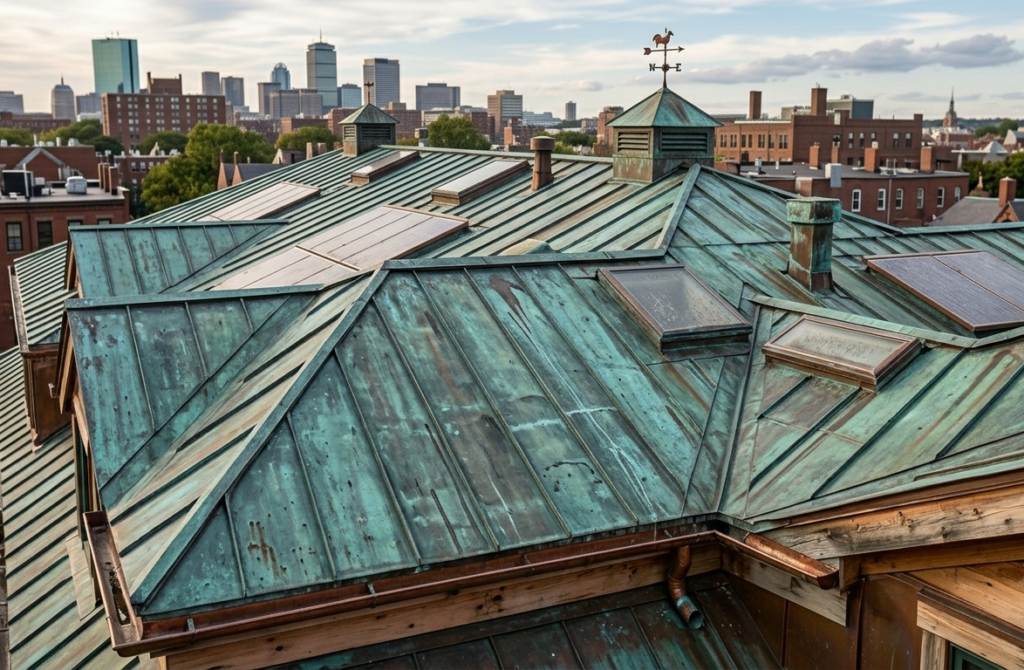
How to Repair a Damaged Roof Yourself & Save Thousands
Choosing the right roofing material is one of the most important decisions for any property owner. While traditional asphalt shingles remain popular, metal roofing continues to gain attention because of its durability, energy efficiency, and long-term value. Whether you’re building a new home or replacing an old roof, understanding the benefits of metal roofing can help you make an informed investment.
In this guide, you’ll discover why metal roofs have become a top choice for residential and commercial properties, along with the advantages they offer over other roofing materials.
1. Exceptional Durability
One of the biggest benefits of metal roofing is its durability.
Unlike traditional roofing materials, metal roofs can withstand:
- Heavy rain
- Strong winds
- Snow and ice
- Hail impacts
- Extreme temperatures
Many metal roofing systems last between 40 and 70 years. In contrast, asphalt shingles often require replacement after 15 to 30 years. Therefore, homeowners enjoy greater peace of mind and fewer replacement expenses.
2. Longer Lifespan
A metal roof offers one of the longest service lives available in the roofing industry.
Because metal resists cracking, warping, and deterioration, it maintains its structural integrity for decades. Furthermore, many manufacturers provide warranties ranging from 30 to 50 years.
As a result, homeowners can avoid frequent roof replacements and reduce long-term maintenance costs.
3. Energy Efficiency
Metal roofing can significantly improve a home’s energy efficiency.
Modern metal roofs feature reflective coatings that help deflect solar heat instead of absorbing it. Consequently, indoor temperatures remain more stable during hot weather.
Benefits include:
- Reduced cooling costs
- Lower energy consumption
- Improved indoor comfort
Additionally, some homeowners report energy savings of up to 10%–25%, depending on climate conditions and roof design.
4. Excellent Weather Resistance
Weather can cause serious damage to many roofing materials. However, metal roofs perform exceptionally well in challenging conditions.
They can resist:
- Wind speeds exceeding 140 mph
- Heavy snowfall
- Ice accumulation
- Intense sunlight
- Severe storms
Moreover, metal panels shed snow and water efficiently, reducing the risk of leaks and moisture-related problems.
5. Low Maintenance Requirements
Another major advantage is reduced maintenance.
Traditional roofing materials often require frequent repairs due to:
- Curling shingles
- Missing pieces
- Moss growth
- Water damage
In comparison, metal roofs need only occasional inspections and basic cleaning. Therefore, homeowners spend less time and money on upkeep.
6. Environmentally Friendly Option
Many property owners prioritize sustainability when choosing building materials.
Metal roofing supports environmental goals because:
- Most metal roofs contain recycled materials.
- Roofing panels are fully recyclable at the end of their lifespan.
- Long service life reduces landfill waste.
Additionally, energy-efficient performance lowers overall energy consumption. Consequently, metal roofing remains one of the most eco-friendly roofing choices available.
7. Fire Resistance
Safety is another reason many homeowners choose metal roofing.
Metal roofs do not ignite when exposed to sparks or embers. Therefore, they provide excellent fire resistance compared to combustible roofing materials.
This feature becomes especially valuable in areas prone to wildfires, lightning storms, or high temperatures.
8. Increased Property Value
A high-quality metal roof can increase a property’s market value.
Potential buyers often appreciate:
- Long lifespan
- Reduced maintenance
- Energy efficiency
- Modern appearance
As a result, homes with metal roofing may attract more buyer interest and achieve higher resale values.
9. Attractive Appearance
Today’s metal roofs offer far more design options than many people realize.
Homeowners can choose from:
- Standing seam panels
- Metal shingles
- Tile-style profiles
- Slate-look roofing
Furthermore, manufacturers produce metal roofing in numerous colors and finishes. Therefore, property owners can match virtually any architectural style.
10. Lightweight Construction
Compared to concrete tile or slate, metal roofing is relatively lightweight.
A lighter roof provides several benefits:
- Reduced structural stress
- Easier installation
- Lower transportation costs
- Improved building performance
Consequently, many existing homes can support metal roofing without requiring structural modifications.
Are There Any Drawbacks?
Although metal roofing offers many advantages, homeowners should consider a few potential drawbacks.
These may include:
- Higher upfront installation costs
- Noise during heavy rain if insulation is inadequate
- Expansion and contraction due to temperature changes
However, proper installation typically minimizes these concerns. Additionally, the long-term savings often outweigh the initial investment.
Is Metal Roofing Worth the Cost?
While metal roofing generally costs more than asphalt shingles initially, it often provides greater value over time.
Homeowners benefit from:
- Fewer repairs
- Lower maintenance costs
- Improved energy efficiency
- Longer lifespan
- Increased property value
Therefore, many property owners view metal roofing as a smart long-term investment rather than a short-term expense.
Final Thoughts
The benefits of metal roofing extend far beyond durability. Metal roofs offer exceptional longevity, energy efficiency, weather resistance, fire protection, and environmental sustainability. Furthermore, modern styles provide attractive design options that enhance curb appeal and property value. Although the initial cost may be higher, the long-term savings and performance advantages make metal roofing an excellent choice for many homeowners and businesses.
Frequently Asked Questions (FAQs)
1. How long does a metal roof last?
Most metal roofs last between 40 and 70 years, depending on the material and maintenance.
2. Is metal roofing more expensive than shingles?
Yes. Metal roofing typically costs more upfront; however, its longer lifespan often results in lower long-term costs.
3. Does a metal roof make a house hotter?
No. Reflective coatings help reduce heat absorption, which can improve energy efficiency during warm weather.
4. Are metal roofs noisy during rain?
Modern installations include insulation and underlayment that significantly reduce noise levels.
5. Can a metal roof rust?
Most modern metal roofs feature protective coatings that resist rust and corrosion.
6. Is metal roofing environmentally friendly?
Yes. Metal roofs often contain recycled materials and remain fully recyclable at the end of their service life.
7. Can metal roofs withstand strong winds?
Yes. Many metal roofing systems can resist wind speeds of 140 mph or higher when installed correctly.