
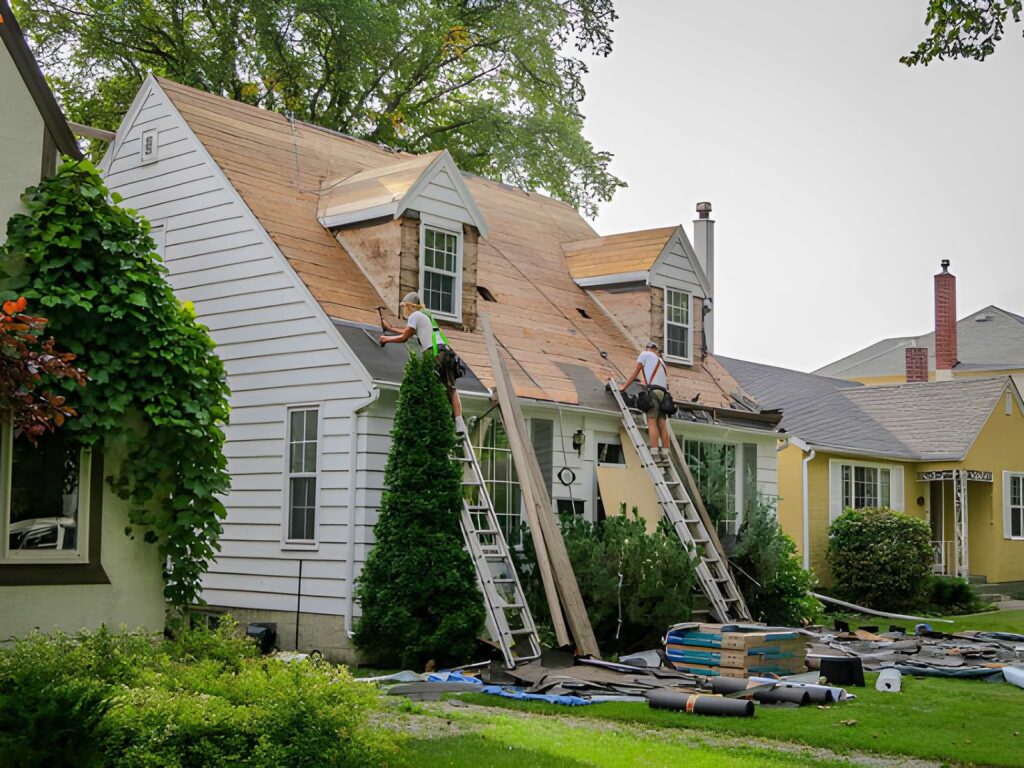
How Much Does a New Roof Cost? | Complete New Pricing
If you’re planning a roofing project, understanding the real costs upfront helps you budget smarter and avoid surprises. So, how much does a new roof cost? On average, homeowners spend between $5,500 and $12,000 for a standard roof replacement. However, costs can climb to $25,000 or more depending on your home’s size, roof pitch, material choice, and local labor rates.
Let’s break it all down service by service so you know exactly what to expect.
Roofing Services & Their Costs
1. Roof Installation (New Construction)
When you build a new home, you need a fresh roof installation from scratch. Because there’s no tear-off involved, installation costs run slightly lower than replacement. Typically, new roof installation costs range from $4,000 to $10,000, depending on square footage and material.
2. Roof Replacement
Roof replacement is the most common roofing service for existing homes. Unlike a simple repair, replacement involves removing the old roofing material and installing a completely new system. As a result, costs include both labor and tear-off fees, generally ranging from $6,500 to $15,000 for an average 2,000 sq. ft. home.
3. Roof Repair
Not every roofing problem calls for a full replacement. In many cases, targeted repairs solve the issue quickly and affordably. Minor repairs such as fixing a few shingles or patching a small leak typically cost between $150 and $1,500. Meanwhile, more extensive repairs involving structural damage or widespread leaks can reach $3,000 to $5,000.
4. Roof Inspection
Before any repair or replacement, a professional roof inspection helps identify hidden damage. Most roofing companies charge between $150 and $350 for a thorough inspection. Furthermore, many contractors offer free inspections when you book them for repair or replacement work.
5. Roof Maintenance & Tune-Up
Regular maintenance extends your roof’s life significantly. Annual maintenance services including cleaning, resealing flashing, and clearing debris typically cost $200 to $600. Therefore, investing in annual upkeep prevents costly emergency repairs down the road.
6. Emergency Roof Repair
Storm damage, fallen trees, and sudden leaks require immediate attention. Because emergency repair services involve after-hours labor and urgent material sourcing, costs run higher generally $500 to $3,000, depending on damage severity.
7. Roof Coating & Waterproofing
Roof coatings add a protective layer that reflects UV rays and prevents moisture infiltration. Consequently, they extend roof life by 10–15 years. Coating services typically cost $1,000 to $4,500 for an average residential roof.
8. Gutter Installation & Replacement
Gutters protect your home’s foundation by directing water away from the structure. As a result, they’re an essential part of any roofing system. New gutter installation costs between $600 and $2,400, depending on material (vinyl, aluminum, or copper) and linear footage.
9. Skylight Installation & Repair
Skylights bring natural light into your home but require precise sealing to prevent leaks. Installation costs range from $900 to $2,500 per skylight, while repairs typically run $200 to $750.
10. Roof Ventilation Installation
Proper attic ventilation prevents heat buildup and moisture damage. Additionally, good ventilation lowers energy bills year-round. Ventilation upgrades cost between $300 and $900, depending on the type and number of vents installed.
11. Flat Roof Services
Flat roofs require specialized materials such as TPO, EPDM, or modified bitumen roofing. Because flat roofs collect standing water, they need expert installation and regular maintenance. Flat roof replacement costs $5,500 to $11,000 for a 1,500 sq. ft. surface.
12. Metal Roofing Installation
Metal roofing offers exceptional durability and longevity often lasting 40–70 years. However, the upfront cost is higher, ranging from $10,000 to $25,000 for a full installation. Nevertheless, the long-term savings on repairs and energy bills make it a worthwhile investment.
Key Factors That Affect Roofing Costs
Beyond the service type, several additional factors influence your final bill:
- Roof size: Larger roofs mean more materials and labor hours.
- Roof pitch: Steeper slopes require safety equipment and take longer to complete, thus increasing costs.
- Material choice: Asphalt shingles cost less; metal, slate, and clay tiles cost significantly more.
- Geographic location: Labor rates vary widely by region.
- Existing damage: If decking or structural components need repair, costs increase accordingly.
- Permits: Most localities require roofing permits, adding $150–$500 to the project.
Roofing Material Cost Comparison
|
Material |
Cost Per Sq. Ft. (Installed) |
Lifespan |
|
Asphalt Shingles |
$3.50 – $5.50 |
20–30 years |
|
Metal Roofing |
$7 – $14 |
40–70 years |
|
Wood Shakes |
$6 – $9 |
20–30 years |
|
Clay/Concrete Tiles |
$10 – $18 |
40–50 years |
|
Slate |
$15 – $30 |
75–150 years |
|
TPO / EPDM (Flat) |
$4 – $8 |
20–30 years |
Frequently Asked Questions (FAQs)
Q1: How long does a roof replacement take?
Most residential roof replacements take one to three days. However, larger homes or complex roof designs may extend the timeline to a full week.
Q2: Does homeowner’s insurance cover roof replacement?
In many cases, yes especially when damage results from a storm, hail, or fire. Conversely, insurance typically does not cover replacement due to age-related wear. Always review your policy and file a claim promptly after damage occurs.
Q3: How do I know if I need a repair or a full replacement?
Generally, if your roof is under 15 years old and damage affects less than 30% of the surface, repairs make more sense financially. On the other hand, widespread damage or a roof older than 20 years usually warrants full replacement.
Q4: How often should I have my roof inspected?
Roofing professionals recommend inspections at least once a year ideally in spring and after major storms. Furthermore, regular inspections catch minor issues before they become expensive problems.
Q5: Can I install a new roof over the old one?
While layering new shingles over old ones is possible, most roofing experts advise against it. Over time, the added weight stresses your roof structure. Additionally, hidden damage beneath the old layer remains unresolved.
Q6: What is the best roofing material for my climate?
Asphalt shingles work well in most climates. However, metal roofing performs best in areas with heavy snow or high winds. Meanwhile, clay tiles suit hot, dry climates particularly well.
Final Thoughts
Understanding roofing costs upfront puts you in a much stronger position when talking to contractors. Whether you need a simple repair, a full replacement, or specialty services like EPDM flat roofing or skylight installation, getting multiple quotes is always a smart move. Moreover, don’t overlook regular maintenance it’s the single most cost-effective way to protect your roof investment for decades to come.
Ready to get started? Contact a licensed local roofing contractor for a free estimate tailored to your home.